
Last week a retired gentleman quietly told me something many older adults experience but rarely admit. He said his eye had been red and uncomfortable for days, yet he avoided mentioning it because he thought it was just “part of getting older.” The irritation slowly worsened until even reading the newspaper became difficult. Situations like this are more common than people think, and ignoring small eye changes can sometimes allow minor problems to grow into bigger concerns. In this guide, we will gently walk through several common eye conditions many adults notice as they age and a few simple daily habits that may help protect your eyesight. And before the end of this article, you will discover one surprisingly simple habit many people overlook that eye specialists often recommend.
Understanding What a Healthy Eye Looks Like
Before talking about eye problems, it helps to understand what a healthy eye usually looks and feels like.
A healthy eye typically has a clear white surface called the sclera, a transparent cornea, and comfortable moisture when blinking. Vision should feel stable when reading, driving, or watching television.
Most people also experience
• No persistent redness
• No sticky discharge
• No pain or light sensitivity
• Stable, clear vision
However, aging naturally changes the eye. Tear production may decline, eyelids can become more sensitive, and vision can fluctuate slightly. According to research referenced by organizations such as the American Academy of Ophthalmology, routine eye checks become increasingly important after age 40.
But here is where many people get confused.
Some symptoms feel harmless at first. A little redness. A small bump. Slight blur. Yet these can sometimes signal conditions worth monitoring.
Let us look at several common ones.
Keratitis and Eye Surface Irritation
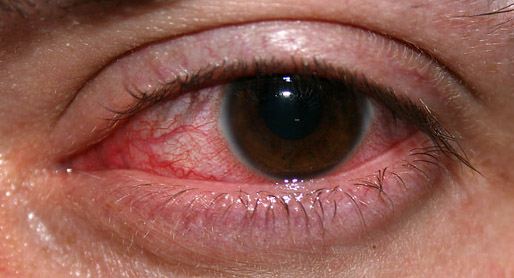
Keratitis refers to inflammation of the cornea, the clear dome shaped surface at the front of the eye.
This irritation can occur for many reasons including dryness, infections, or improper contact lens use. Older adults sometimes experience increased sensitivity because the eye surface becomes more fragile over time.
Typical signs may include
• Redness around the cornea
• Sensitivity to light
• Watery eyes
• A feeling like something is stuck in the eye
But here is the important part.
Eye discomfort that lasts more than a few days deserves attention. Research often notes that early evaluation helps prevent prolonged irritation and protects vision comfort.
Simple protective habits include
• Washing hands before touching the eyes
• Avoiding rubbing irritated eyes
• Taking breaks during long reading or screen sessions
Small habits matter more than most people realize.
Many adults notice a small yellow or fleshy bump forming on the white part of the eye. Two common conditions linked to this are pterygium and pinguecula.
These growths are often associated with long term sun exposure, wind, and dry environments.
Pinguecula usually appears as a yellowish bump near the corner of the eye.
Pterygium may grow slightly onto the cornea and appear more noticeable.
Although these growths are often slow and benign, they can cause
• Eye dryness
• Mild irritation
• Cosmetic concern
• Occasional blurred vision if the growth expands
But that is not the end of the story.
Studies frequently highlight ultraviolet light as a major contributor. Wearing sunglasses with UV protection may help reduce long term irritation risks.
Think of it like sunscreen for your eyes.
Blepharitis and Eyelid Inflammation

Blepharitis is a very common eyelid condition, particularly among adults over 50.
It happens when the tiny oil glands along the eyelid edges become irritated or clogged. The result is redness, crusting near the eyelashes, and a gritty feeling when blinking.
Many people describe it as feeling like sand in the eye.
Common symptoms include
• Itchy eyelids
• Flakes or crust near eyelashes
• Burning sensation
• Watery eyes
Here is the interesting part.
Good eyelid hygiene often makes a noticeable difference.
Simple daily habits may include
1 Warm compress placed over closed eyelids for several minutes
2 Gentle eyelid cleaning with diluted eyelid cleansers
3 Avoiding heavy eye makeup during flare ups
These small steps can support comfort for many people.
Conjunctivitis and Eye Redness
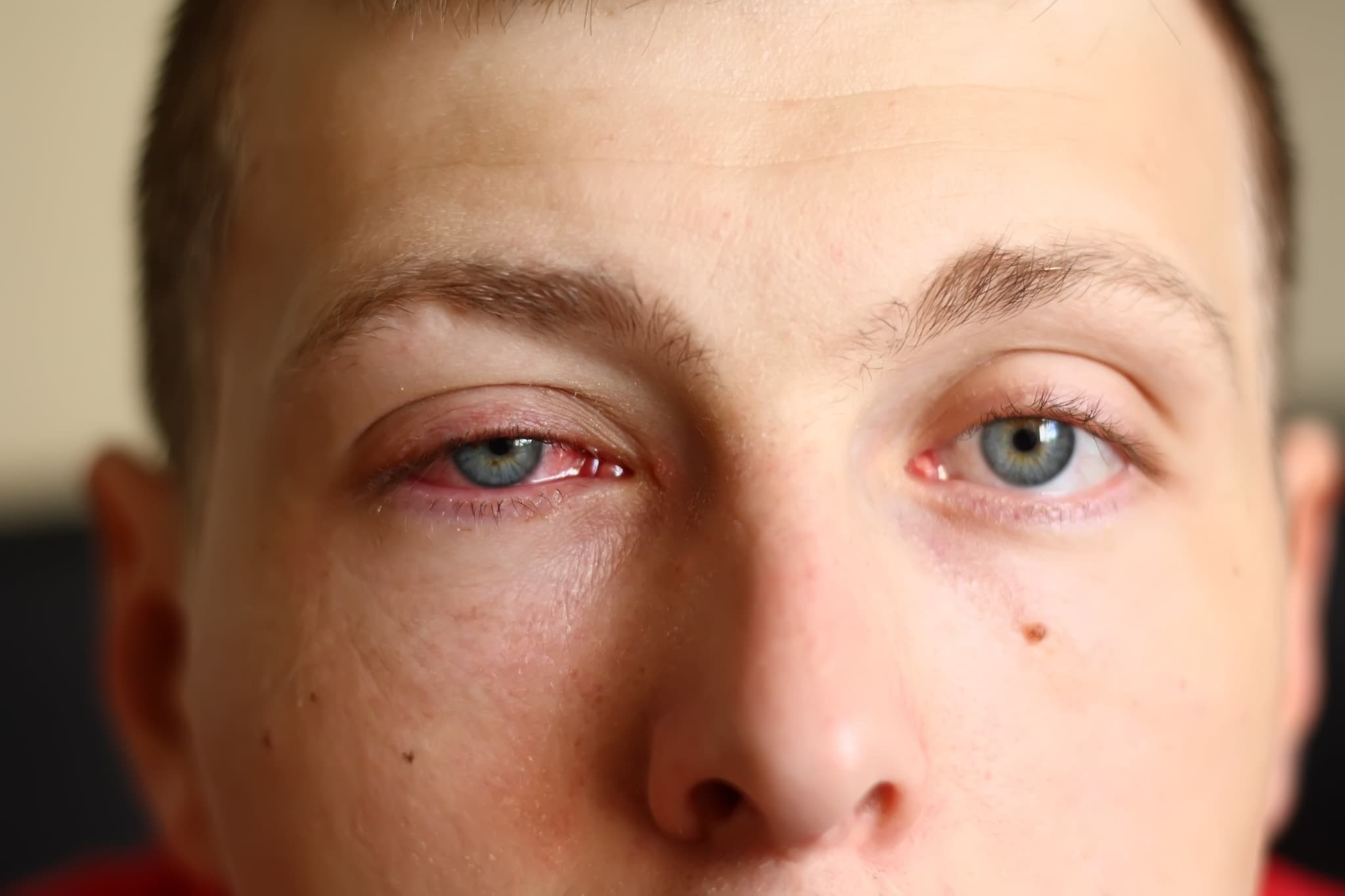
Conjunctivitis, commonly called pink eye, occurs when the thin membrane covering the white part of the eye becomes irritated.
It may be related to allergies, irritants, or infections.
Adults often notice
• Red or pink eye appearance
• Watery or sticky discharge
• Itching or burning sensation
But here is something many people do not realize.
Not all pink eye is the same. Some types spread easily, while others relate to allergies or environmental irritation.
Because symptoms can look similar, eye professionals often recommend evaluation if redness persists or vision changes occur.
Good preventive habits include
• Washing hands frequently
• Avoiding sharing towels or eye cosmetics
• Keeping pillowcases clean
Small hygiene habits protect not only your eyes but also those around you.
Stye Painful Eyelid Lump

A stye is one of the most noticeable eye issues because it creates a small painful lump on the eyelid.
It forms when an oil gland becomes blocked and inflamed.
Many adults first think it is a pimple on the eyelid.
Typical symptoms include
• Red swollen bump
• Tender eyelid
• Mild tearing
• Localized discomfort when blinking
The good news is that many styes improve gradually with warm compresses and proper eyelid hygiene.
However, squeezing or rubbing the lump can worsen irritation.
This is where patience becomes important.
Cataracts and Vision Cloudiness
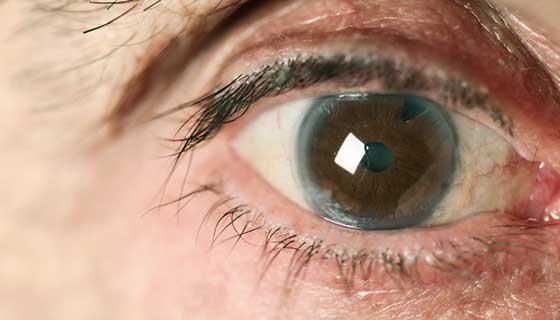
Cataracts are among the most common age related eye changes worldwide.
They occur when the normally clear lens inside the eye gradually becomes cloudy. This can affect vision clarity, especially in bright light.
People often describe symptoms like
• Blurry vision
• Difficulty seeing at night
• Increased glare from headlights
• Colors appearing faded
According to studies referenced by organizations such as the World Health Organization, cataracts are a leading cause of visual impairment globally, particularly among older adults.
But here is the reassuring part.
Regular eye examinations help monitor changes and guide decisions about vision support when needed.
Glaucoma and Eye Pressure Awareness

Glaucoma involves changes related to pressure inside the eye that may affect the optic nerve over time.
What makes glaucoma challenging is that early stages often have no obvious symptoms.
This is why many eye doctors call it a “silent vision condition.”
Possible warning signs in later stages may include
• Gradual loss of side vision
• Difficulty adjusting to darkness
• Vision narrowing over time
But here is the key takeaway.
Routine eye exams allow eye professionals to measure eye pre
Quick Comparison of Common Eye Conditions
| Condition | Common Sign | Typical Sensation |
|---|---|---|
| Keratitis | Red cornea | Light sensitivity |
| Pterygium | Fleshy growth | Irritation |
| Pinguecula | Yellow bump | Dry feeling |
| Blepharitis | Eyelid crust | Burning or itching |
| Conjunctivitis | Pink eye | Discharge |
| Stye | Eyelid lump | Local pain |
| Cataract | Cloudy vision | Blurry sight |
| Glaucoma | Pressure related changes | Often silent early |
Seeing these differences helps people recognize when something unusual appears.
Simple Daily Habits That Support Eye Comfort
Now here comes the part many readers appreciate most.
Small daily habits often play a powerful role in protecting eye comfort.
Consider practicing these steps
1 Wear sunglasses when outdoors
2 Blink regularly during screen use
3 Stay hydrated throughout the day
4 Schedule routine eye exams
5 Avoid rubbing your eyes frequently
These habits may sound simple, yet research consistently shows they help maintain healthy eye environments.
And remember that “small irritation today” should never be ignored for weeks.
Your eyes deserve attention.
Conclusion
Eye discomfort, redness, or small bumps may seem minor at first, especially as we age. But paying attention to these signals helps protect long term vision and comfort. The earlier people notice changes, the easier it becomes for eye professionals to guide safe and appropriate care. Most importantly, consistent daily habits like protecting eyes from sunlight, maintaining eyelid hygiene, and scheduling regular checkups can make a meaningful difference over time.
Frequently Asked Questions
Can eye redness disappear on its own?
Yes, mild irritation from dryness, allergies, or temporary exposure to wind may improve with rest and hydration. However, redness lasting several days or accompanied by pain or vision changes should be evaluated by an eye professional.
Are styes caused by poor hygiene?
Not always. Styes often develop when eyelid oil glands become blocked. However, keeping eyelids clean and avoiding frequent eye touching may reduce the chance of irritation.
How often should older adults have eye exams?
Many eye health organizations recommend routine comprehensive eye exams every one to two years after age 40, depending on individual risk factors and vision changes
.


.jpg)


0 commentaires:
Enregistrer un commentaire